




Technology
Eco Balance
Nano facade insulation combines modern coating technology with a resource-efficient approach. Thanks to the low layer thickness of approx. 1 mm, significantly less material is used than with classic insulation methods — combined with reduced heat losses, this can lower a building's energy consumption over the long term.
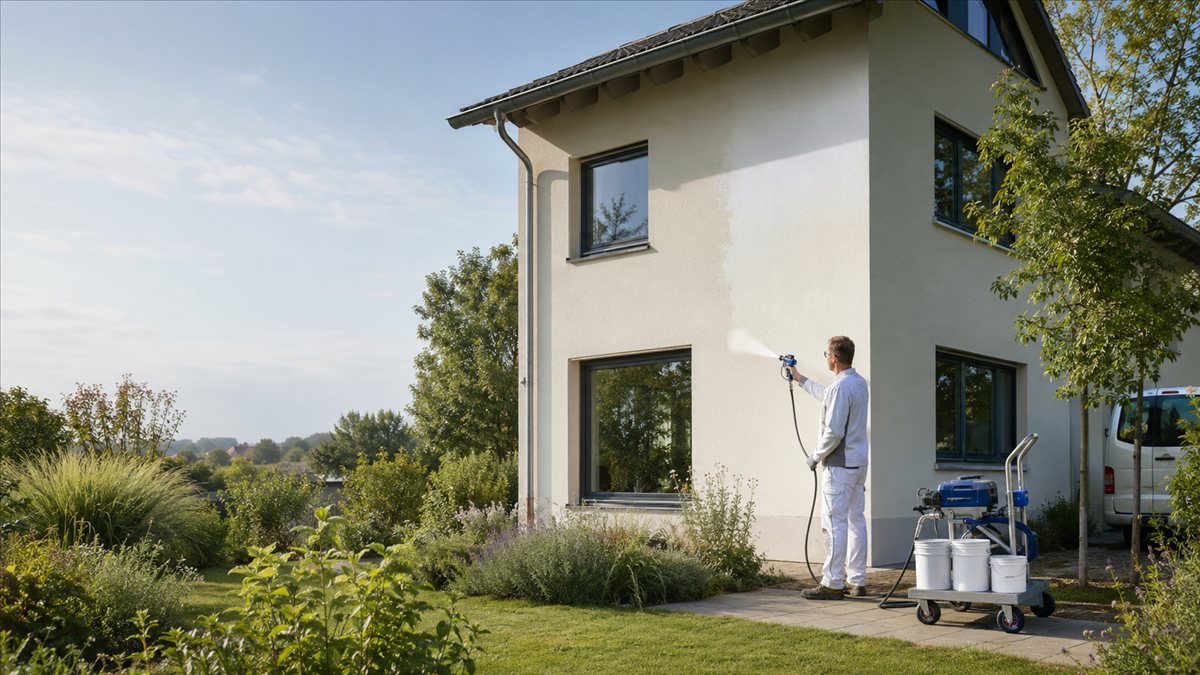
Low material use as an ecological benefit
The minimal layer thickness means less use of raw materials, reduced energy input during manufacturing, lower transport volume and fewer structural interventions — the ecological footprint is reduced already during manufacturing and construction.
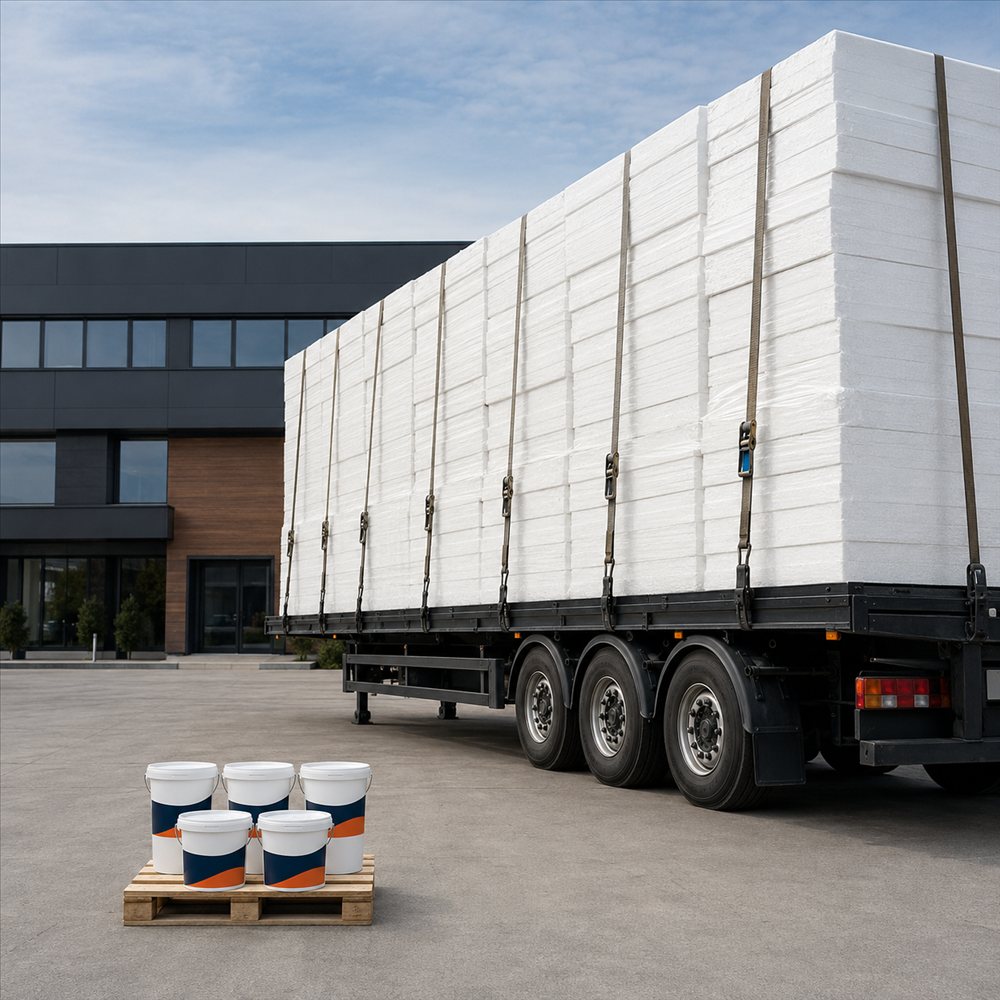
 Sustainability in operation
Nano facade insulation can help reduce heat losses, lower energy consumption and reduce heating and cooling demand — good insulation is one of the most effective levers for reducing CO₂ emissions in the building sector.
Durability and reduced maintenance
A long service life, fewer renovation cycles and lower material consumption over time also reduce maintenance effort — less upkeep means less material use and fewer emissions over the entire lifecycle.
Context compared to classic insulation
Classic insulation materials often require large material quantities and correspondingly higher production and processing effort. Nano facade insulation, by contrast, relies on minimal material thickness, simple application and reduced intervention in the building structure — a resource-efficient alternative, especially for renovations.